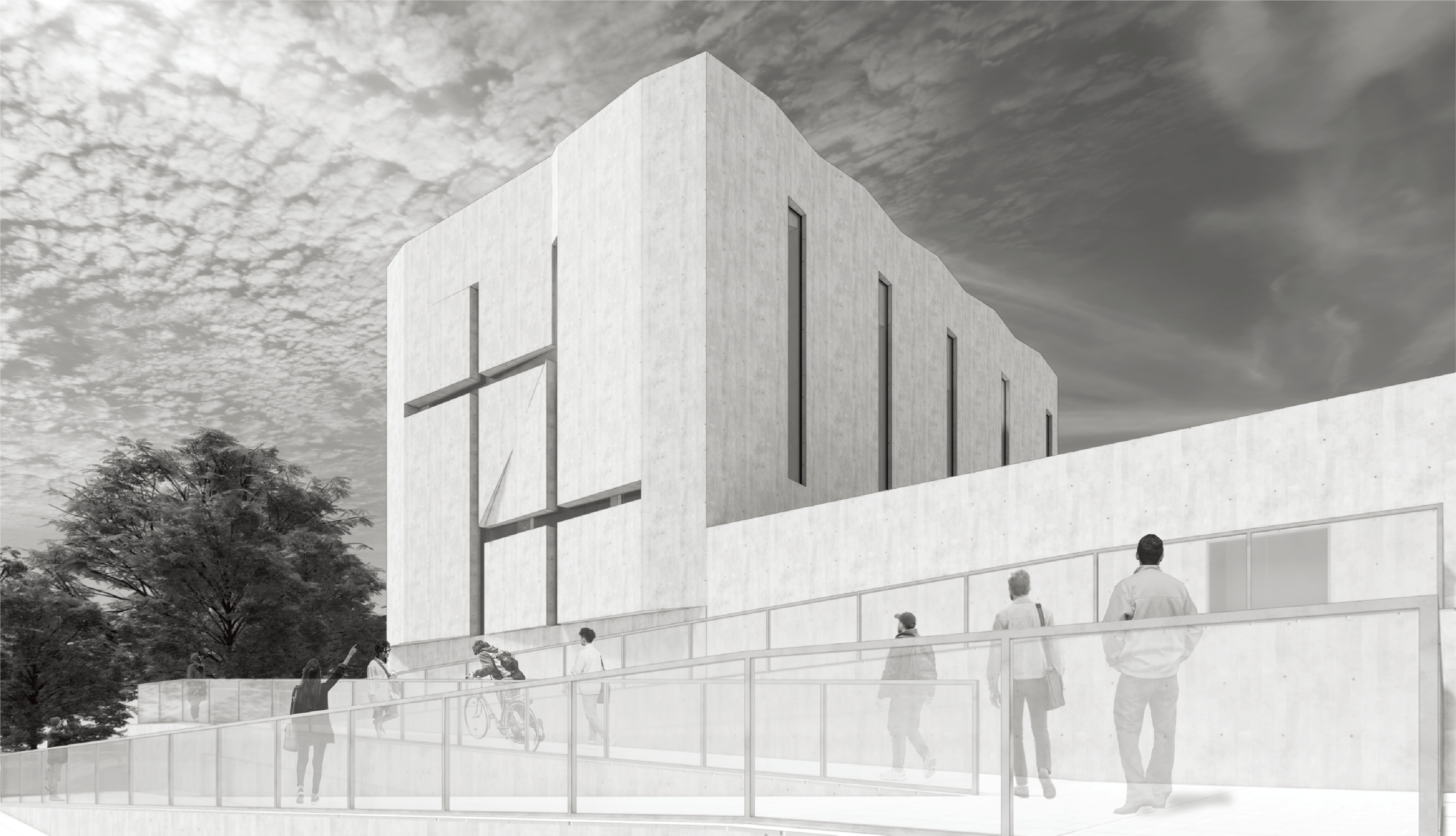
Today, churches may have become more of a place for social gathering and community bonding rather than solely for worship. However, true worship requires a sincere and reverent state of mind. This project emphasizes the sacred purpose of the chapel through the metaphor of a "journey" or "path."
The multi-layered spatial composition and intentionally challenging circulation reflect the mindset of those moving toward genuine worship, allowing them to approach the essence of faith through that very journey.
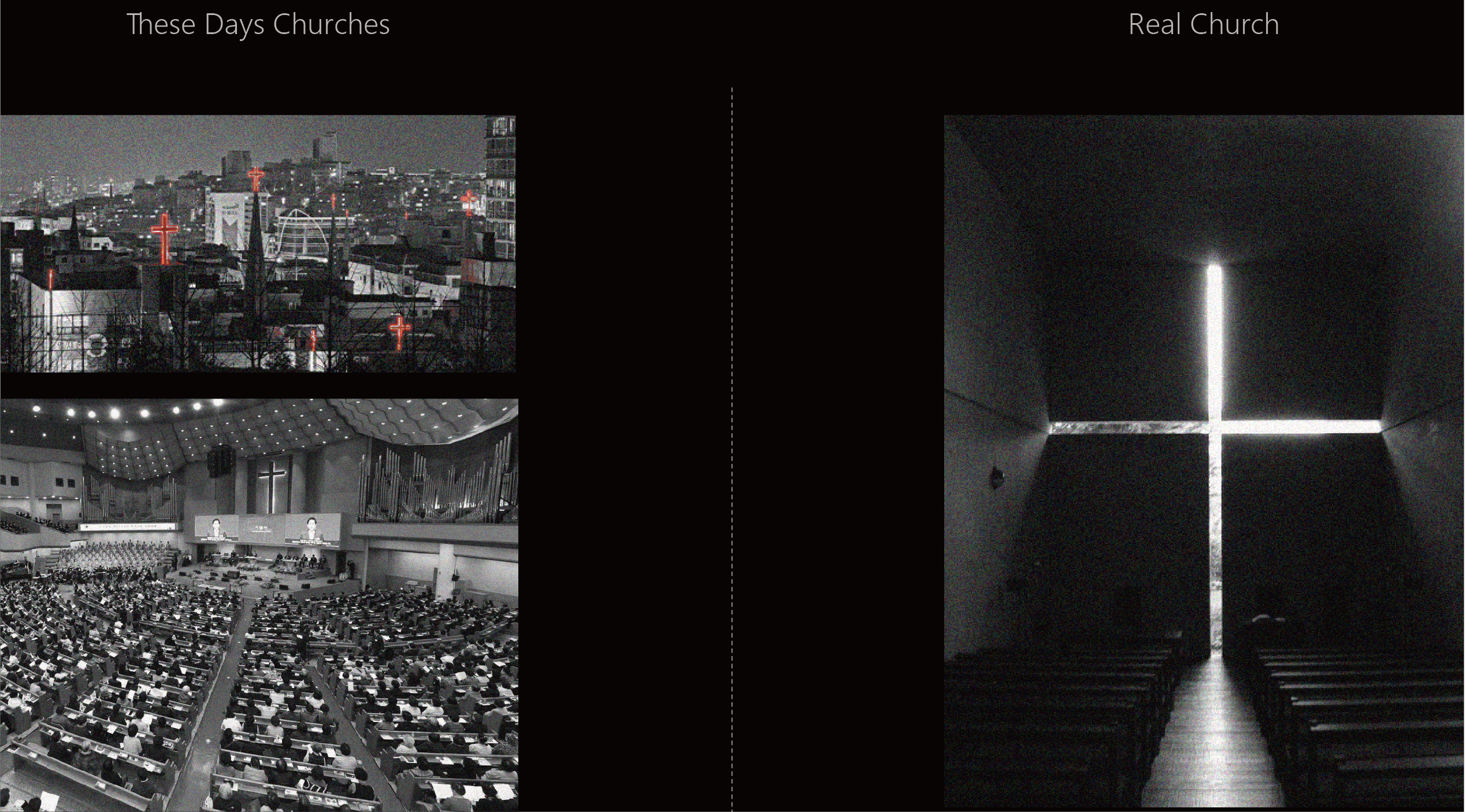
Why do we go to church? God sent His only son, Jesus Christ, to this world, and through His death, He offered forgiveness and salvation to humanity. We go to church to pray, to repent, and to listen to the Word—for something far greater than ourselves, something we cannot reach on our own.
However, modern churches are often used for private rather than spiritual purposes. Churches are built without thought, pastors pursue wealth, and congregants attend worship for social reasons. The time has come for our churches to change.
Tadao Ando’s Church of the Light is not necessarily the perfect model of a church. But what matters is that he tried to create a space truly dedicated to worship. A cross of light cutting through a square room, raw exposed concrete, and an unadorned volume—these minimal elements became a sanctuary for faith and peace. What we need now is real prayer and authentic worship. And through a true church, we must offer that proposal.
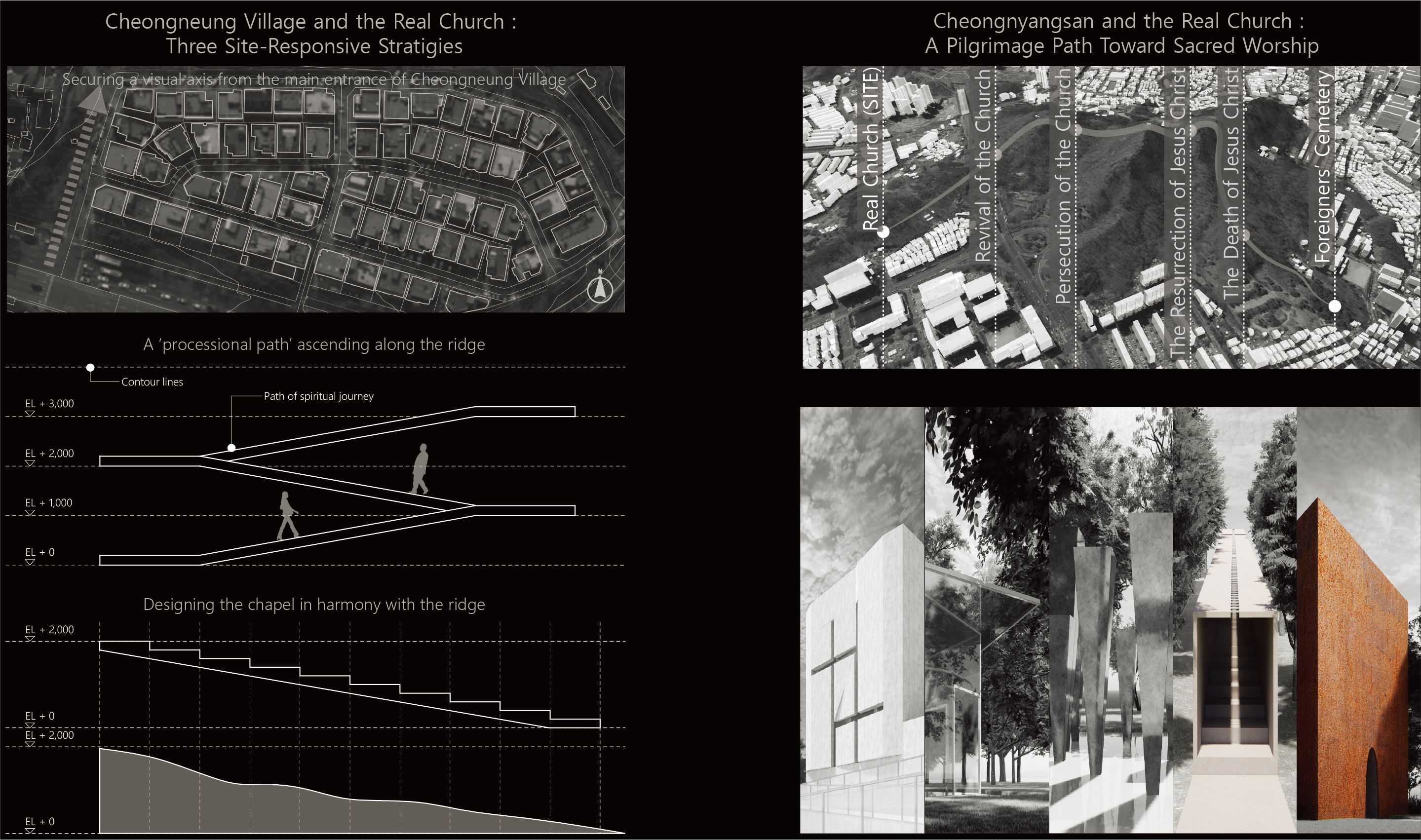
Real Church is located on the hillside of Cheongneung Village and responds to the site's three types of sloped terrain through a carefully planned seating arrangement and an approach route from the main road.
In addition, a secondary circulation path has been designed as a pilgrimage journey leading to the church. Along this path, elements such as spiritual narratives and pavilions are placed to gradually guide visitors into a state of reverence as they approach the sanctuary.
At the end of Cheongnyang Mountain lies a foreign missionary cemetery—a meaningful site where missionaries who spread the gospel and sacrificed their lives during Korea’s opening era are buried. This cemetery marks the starting point of the pilgrimage path, offering a space where visitors can prepare their hearts for worship before reaching the “Real Church.” The path includes four key episodes from the Christian faith: the Death of Jesus, His Resurrection, the Persecution of the Church, and its Revival.
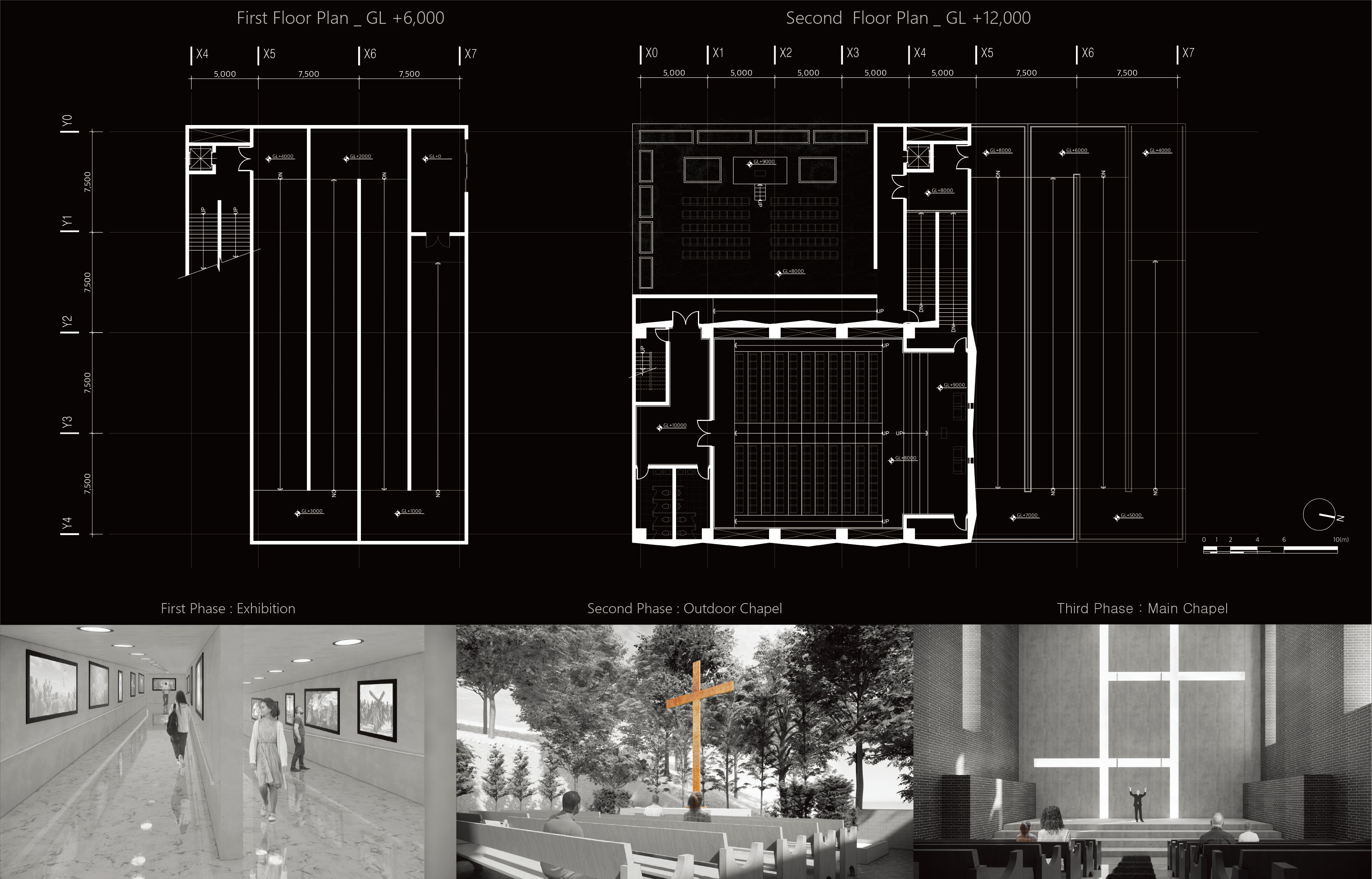
The main circulation leading to the Real Church is divided into three phases, each designed to prepare the visitor’s heart for worship in a spiritually meaningful way.
Phase 1 features an exhibition corridor stretching approximately 100 meters. Here, visitors can reflect on key narratives of the Christian faith—from Creation to the death and resurrection of Jesus, and the eventual spread of Christianity to Korea. This space serves to cultivate a reverent mindset before entering worship.
Phase 2 presents an Outdoor Chapel, inspired by the open-air sermons of Pastor John Wesley. It symbolizes the desire to spread the gospel anywhere, regardless of place. This space can be used for actual outdoor worship during pleasant weather. The cross in this area is made of weathering steel, which rusts over time, representing the passage of time and the suffering endured.
Phase 3 leads to the Main Chapel, where visitors are greeted by the soft glow and shadows of the cross, inviting them into a complete and solemn moment of worship.
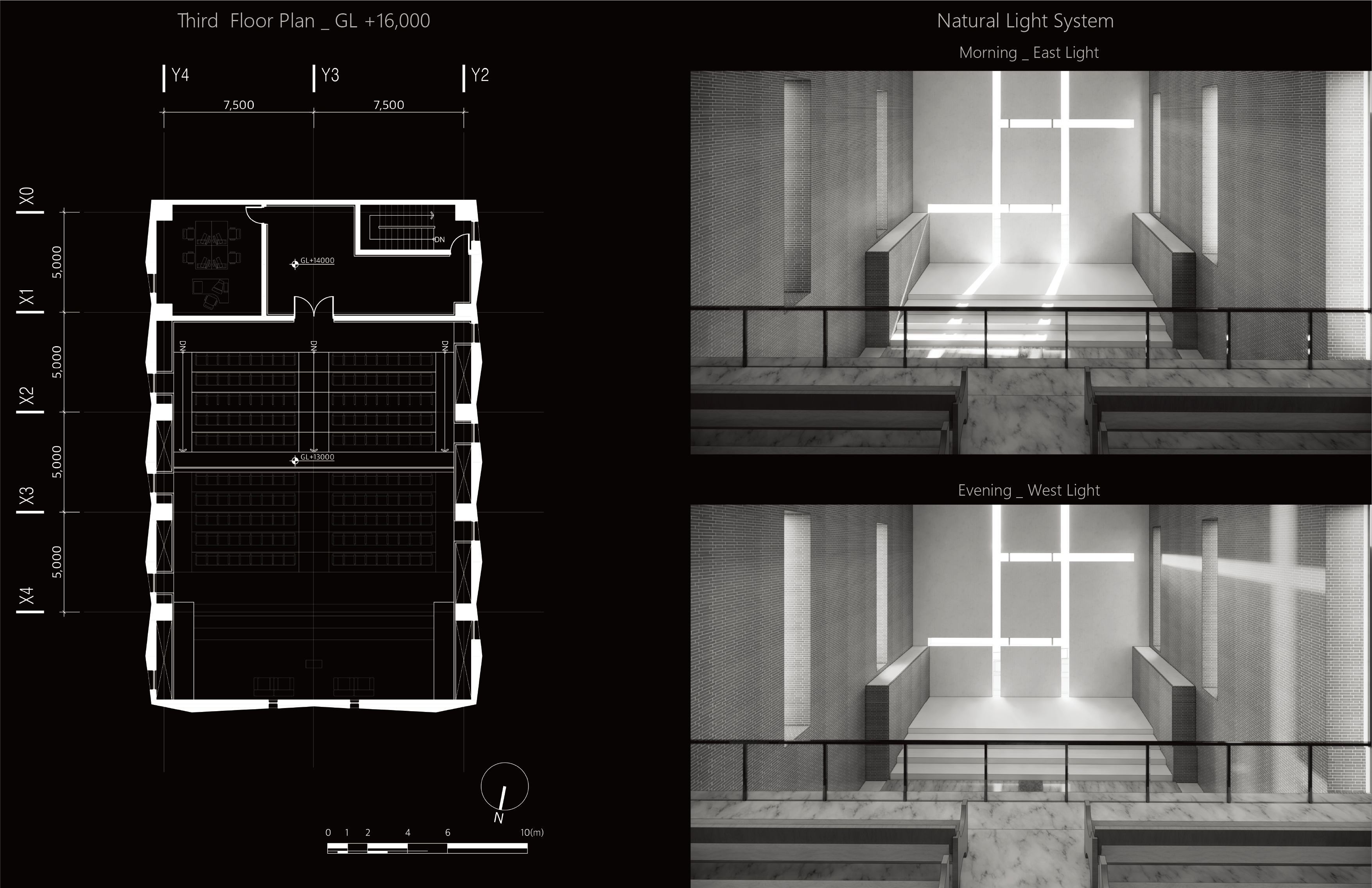
The Main Chapel is designed as a two-story space accommodating approximately 280 people. The key design focus is the flow of light. The exterior is finished with exposed concrete, but instead of casting it with vertically aligned formwork, the formwork was deliberately angled based on the sun's orientation. As a result, morning sunlight casts shadows onto the center of the floor, while evening light creates shadows along the walls. This approach enhances the spiritual atmosphere of the space depending on the time of day. Additionally, the staggered concrete finish lends the façade a more dynamic and expressive appearance.
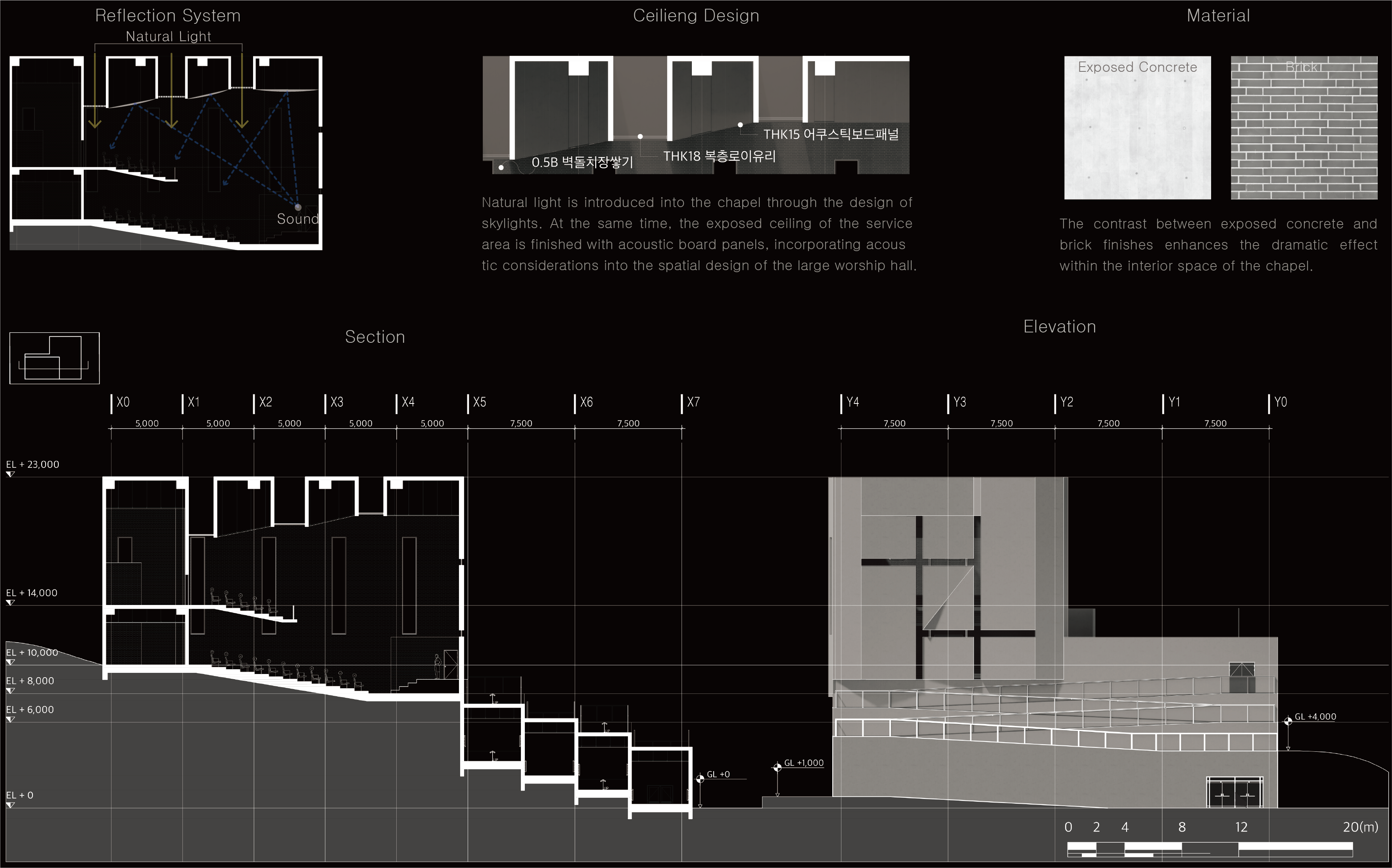
The main design elements of the chapel are as described above. First, the ceiling design was carefully planned to consider both natural lighting and acoustics. The exterior is finished with exposed concrete, while the interior features a brick finish, creating a strong contrast between the inside and outside. This contrast enhances the sense of transition as one enters the chapel, reinforcing the spiritual atmosphere of the space.
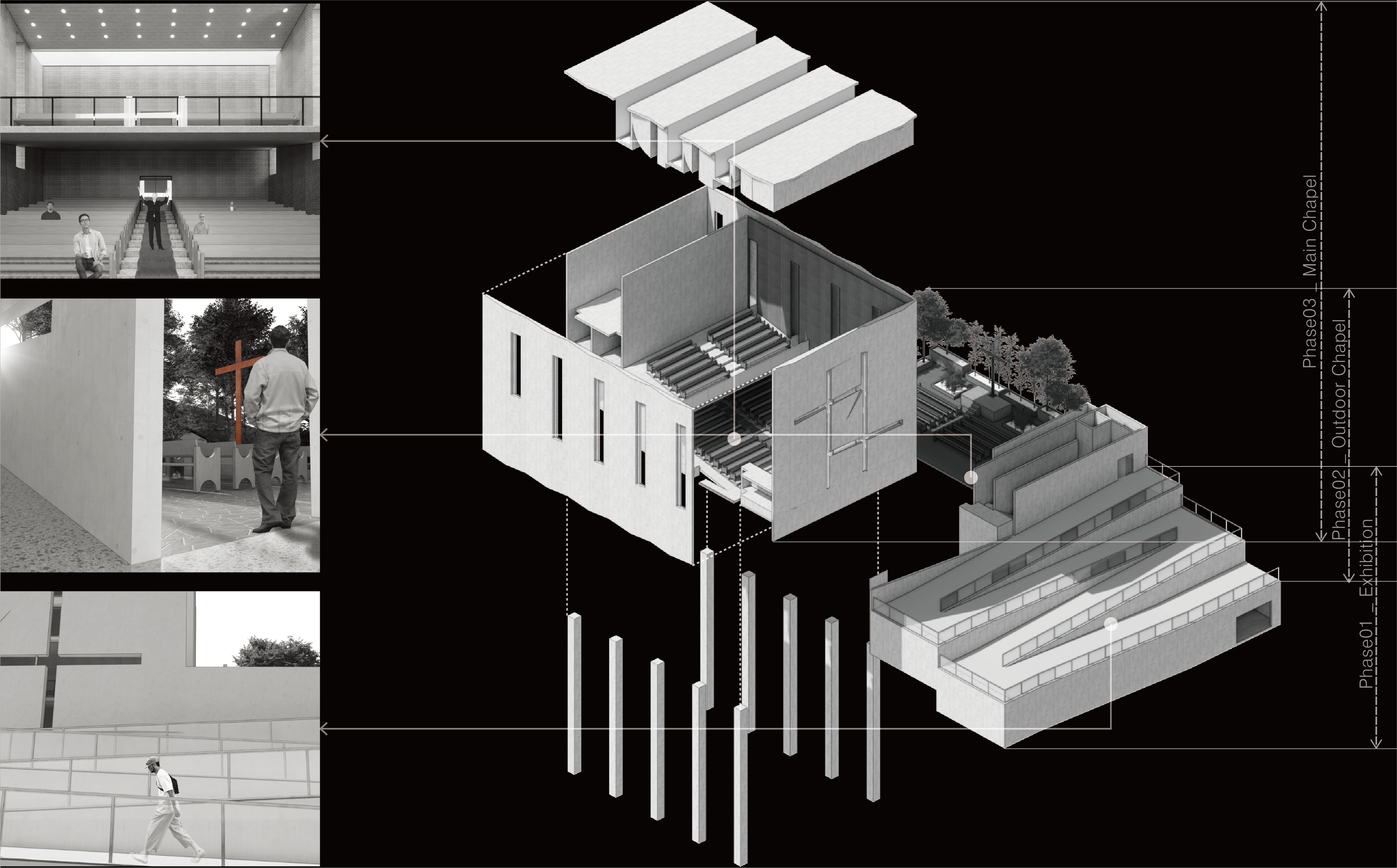
The journey toward the church is divided into three main phases. The first phase begins with a 100-meter-long ramped exhibition space, narrating four key moments: the death and resurrection of Jesus, the persecution of the Church, and its revival. In the second phase, visitors experience the outdoor chapel inspired by Reverend John Wesley, symbolizing the harmony between nature as God’s first creation and the spiritual revival of the Church. Finally, in the third phase, they arrive at the main worship hall—the destination of the journey. After the service, the path concludes as visitors gaze upon Cheongneung Village through the rooftop skylight above the exhibition space, marking the end of a sacred experience.
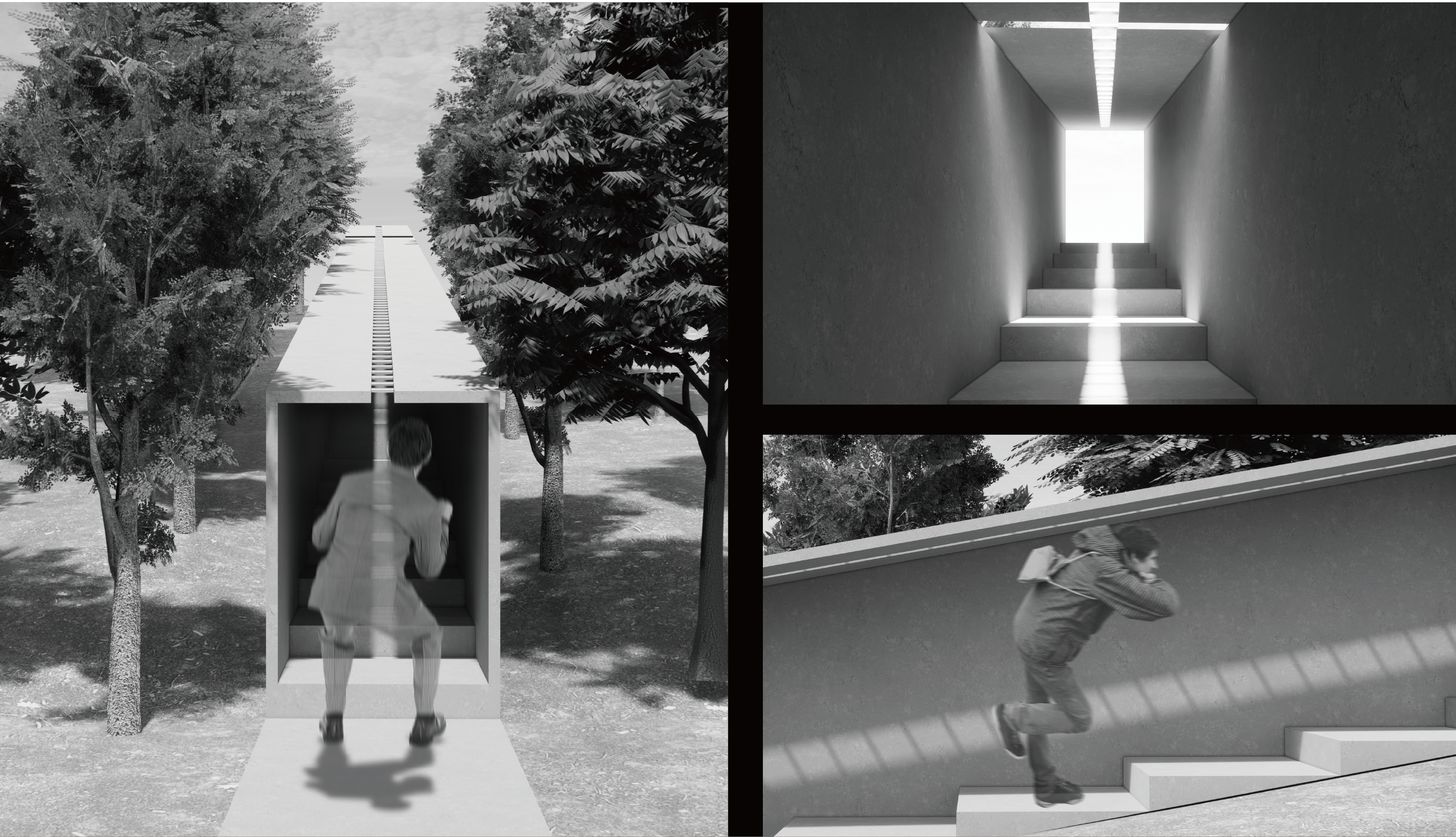
After being sentenced to death, Jesus carried the cross from Jerusalem to Golgotha. This journey is known as the “Via Dolorosa,” or the Way of the Cross, symbolizing His suffering and sacrifice. Through the Way of the Cross Pavilion, visitors physically retrace this spiritual journey. Entering a narrow passage that requires one to crouch down—just as Jesus bore the weight of the cross—each step taken toward the light becomes a meditative act of reflecting on His suffering and the grace of salvation.
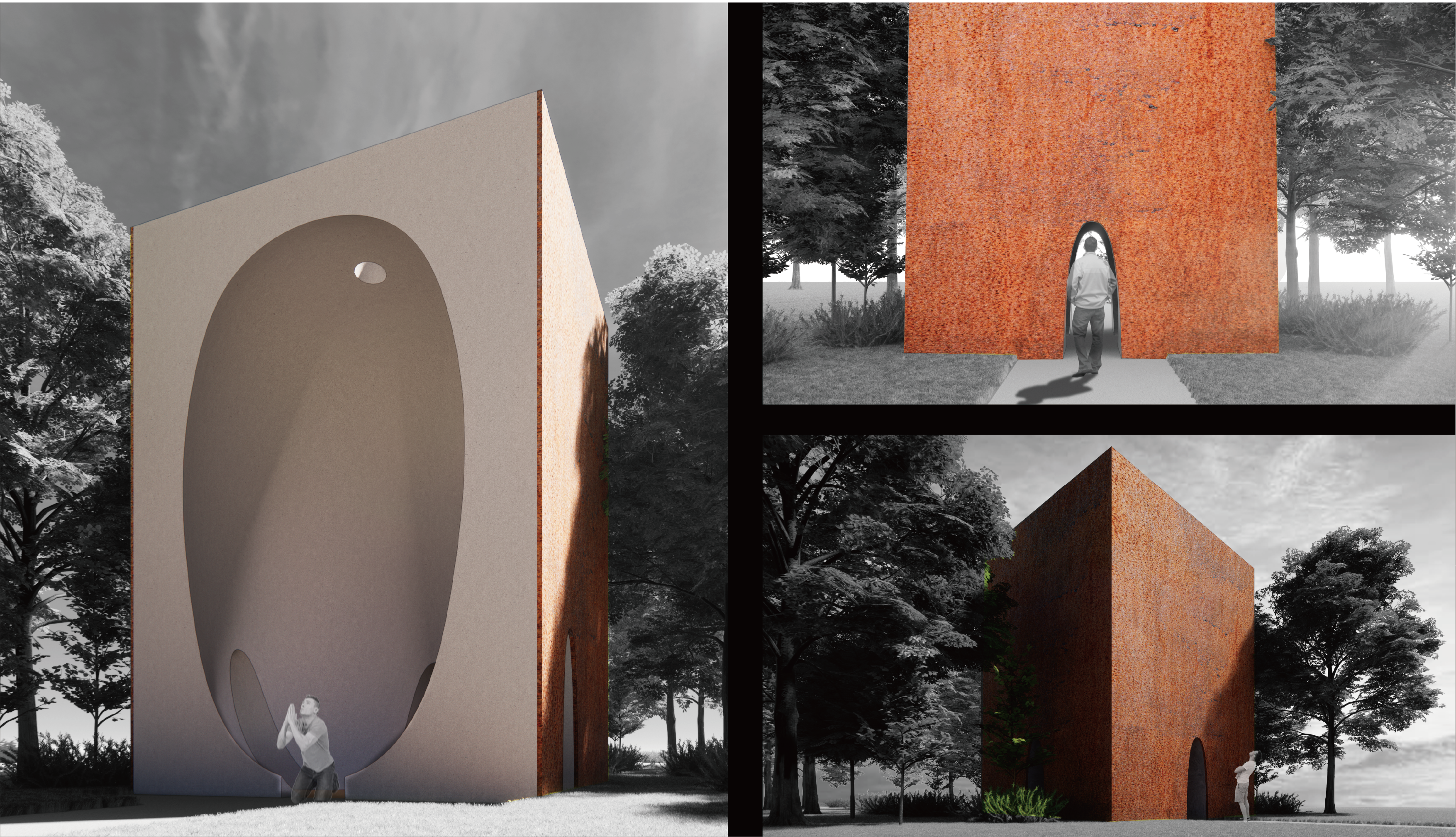
After bearing the sins of humanity and dying on the cross, Jesus rose from the dead on the third day. His resurrection signifies the completion of salvation and the cleansing of our sins through divine grace. The Easter Egg Pavilion symbolically embodies both Christ’s resurrection and our own journey of repentance. The exterior, made of raw, untreated steel, naturally rusts over time—visually representing the stain of sin. Within this corroded shell, the desire to return to a pure, white state through repentance is evoked, offering visitors a moment of reflection and spiritual renewal.
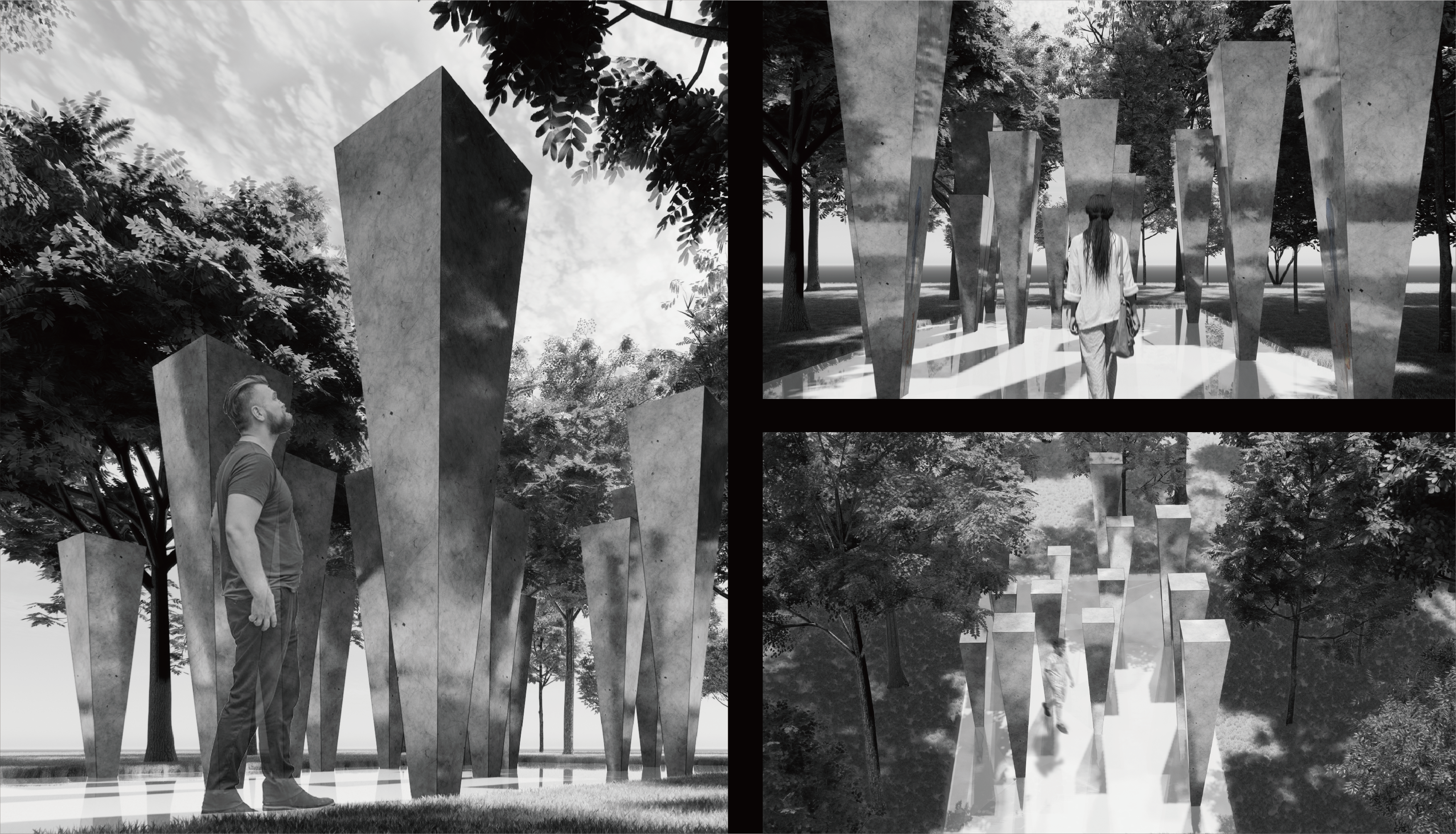
Founded on unwavering faith in God, the church has long expressed its devotion through sharp steeples reaching toward the heavens. Yet, at the same time, the church has endured relentless persecution—pierced by the figurative thorns of those who deny or oppose the divine. The Thorn Pavilion embodies this duality: the soaring steeple of reverence and the sharp thorns of suffering. It offers a space for reflection, allowing visitors to confront the trials of faith and renew their spiritual commitment with reverence and humility.
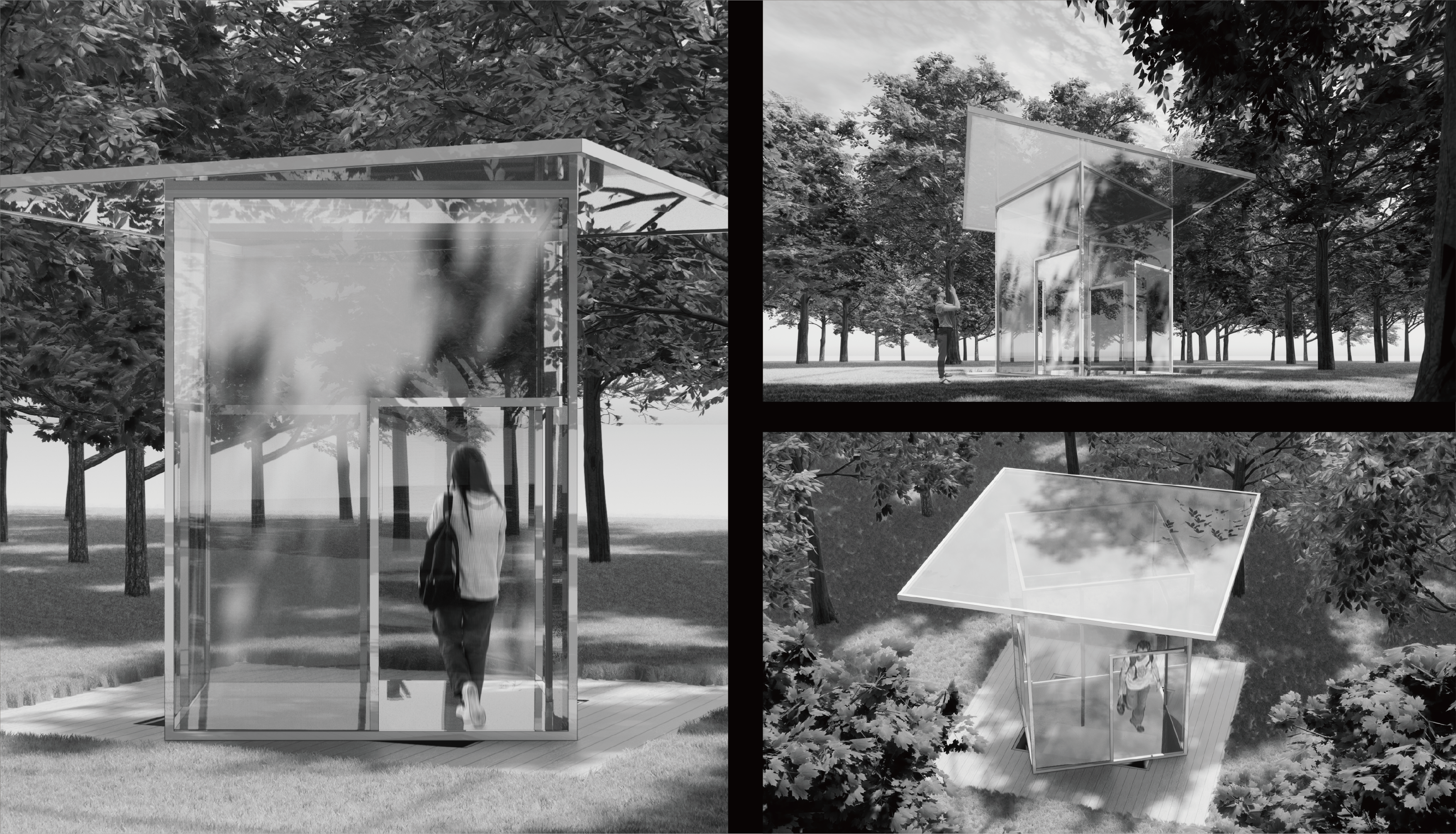
John Wesley, who led the revival of the church, said: “Christians recognize nature as God’s creation. Through faith and teaching, they come to a renewed awareness of nature as God’s handiwork.” The Creation Pavilion embodies the natural world—trees, wind, soil, and people—as God’s creations. Within all that God has given, faith begins, leading to the revival of the church.